
Heating a Rural Home Without Natural Gas
Living outside city limits often means relying on alternatives to natural gas for home heating. Across rural areas, homeowners use proven systems that work without pipelines and hold up through long, cold winters. Understanding how each option works can help you decide what fits your home, your property, and your day-to-day routine.
Heating Options for Rural Homes Without Natural Gas
Homes without access to natural gas typically rely on fuels that can be stored on-site or systems that operate independently of utility lines. Below are the most common choices used in rural settings, along with what to consider for each.
1. Propane Heating
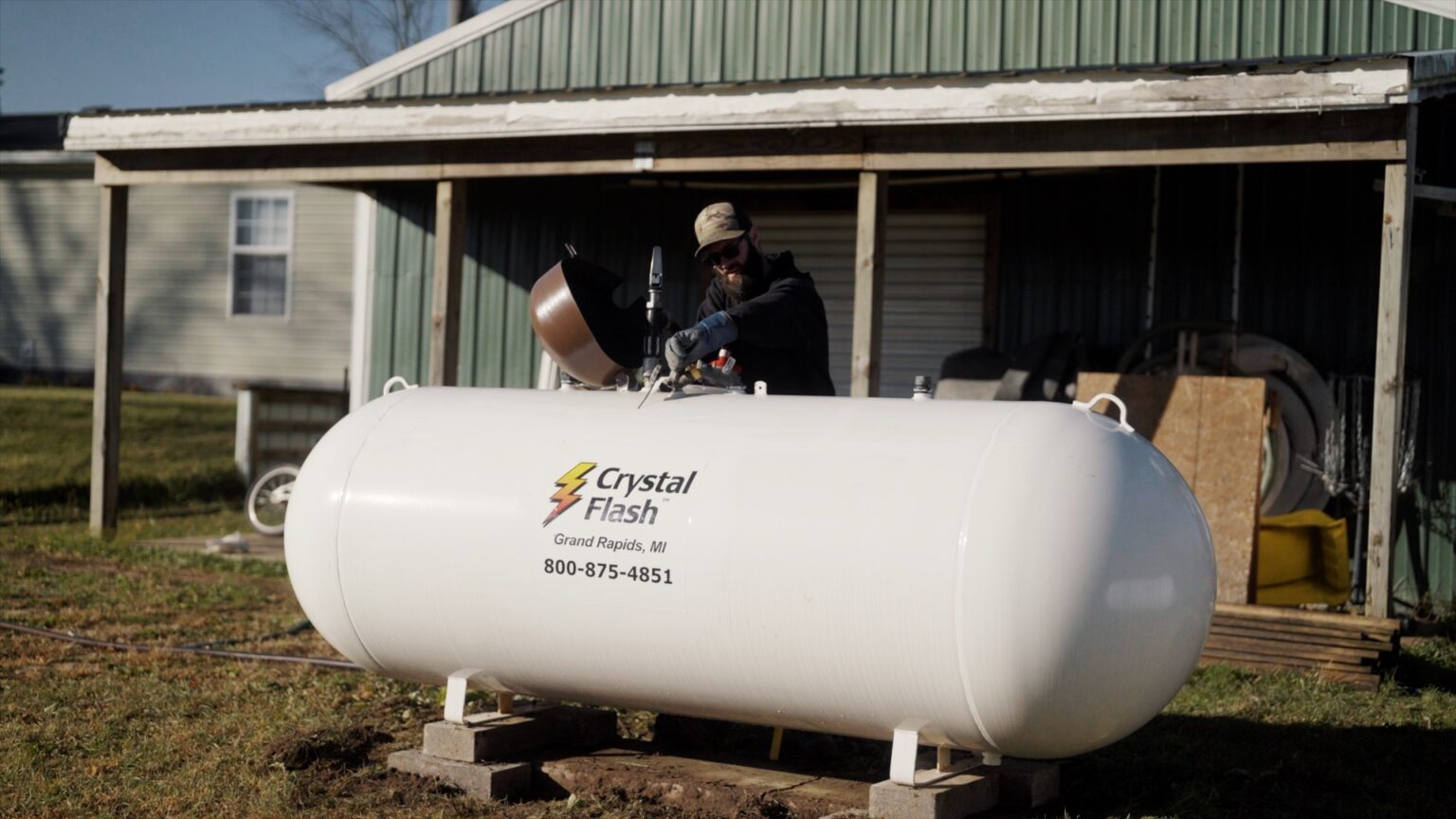
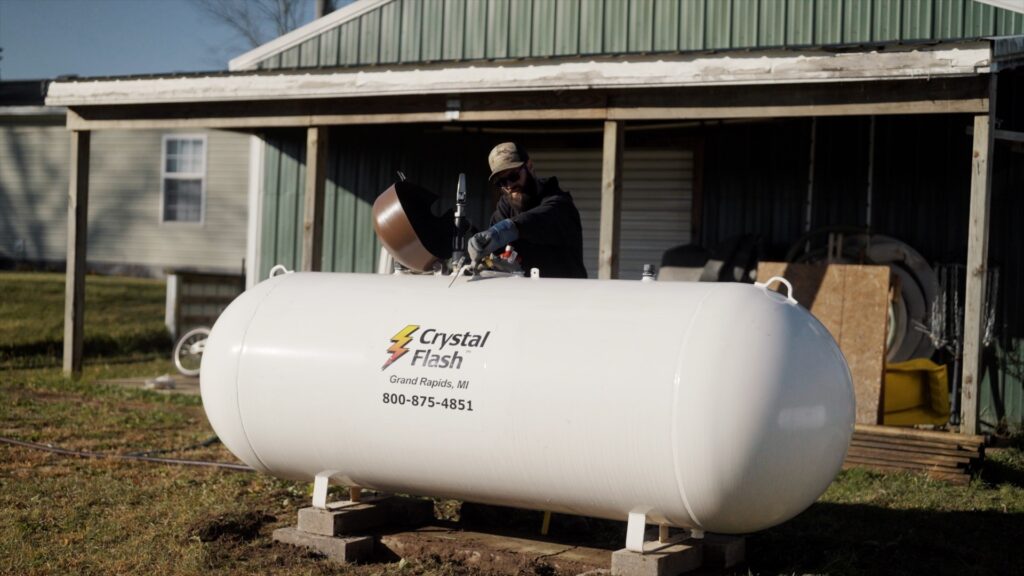
Used widely in rural areas, propane heating works independently of underground pipelines because fuel is stored in a tank on the property and delivered by a local provider. That makes it a strong fit for homes located far from utility access or in areas where winter conditions can limit travel.
One of the biggest advantages is flexibility. A single fuel source can support multiple systems throughout the home, which often simplifies heating and energy planning. Common uses include central heating systems, water heaters, fireplaces, cooking appliances, and standby generators.
Fuel delivery can be scheduled automatically, reducing the need for homeowners to monitor tank levels or arrange refills during colder months. Storage size also varies, allowing the system to scale based on home size, appliance use, and annual fuel consumption. For many rural households, this balance of convenience, reliability, and versatility makes propane a practical long-term option.
2. Fuel Oil Heating
Still found in some rural homes, fuel oil heating relies on on-site storage and scheduled deliveries, similar to other delivered fuels. It is most often used in properties with existing oil furnaces, especially older homes that were built before alternative systems became more common.
For homeowners with functioning equipment, continuing to use fuel oil can make sense in the short term. Over time, however, maintenance needs, equipment age, and fuel availability often become part of the decision to keep the system or consider another option. As heating needs change, some households transition away while others continue using fuel oil as long as the system remains reliable.
3. Electric Heating
Powered entirely by the electrical grid, these systems range from baseboard heaters to electric furnaces and heat pumps. Performance and operating costs depend heavily on insulation quality, square footage, and local electricity rates.
In colder regions, electric heat is often used selectively rather than as the sole source of warmth. Many homeowners rely on it for supplemental heating in specific rooms or during milder parts of the season. Extended cold weather and higher energy demand can make full-home electric heating less practical without pairing it with another system.
4. Wood and Pellet Stoves
Chosen by homeowners who prefer a more hands-on approach, these stoves can provide steady supplemental heat and help reduce dependence on delivered fuels. Access to firewood or pellets and available storage space often factor into the decision.
Operation requires regular loading, ash removal, and ongoing maintenance, which can be a drawback for those looking for lower-effort heating. Because of that, these systems are commonly used alongside a primary heat source rather than as the only option for an entire home.
Why Many Rural Homes Do Not Have Natural Gas
Natural gas service depends on pipeline infrastructure that is costly to extend to low-density areas. For homes located miles from existing lines, access is often unavailable or impractical. As a result, rural homeowners rely on heating methods that do not depend on public utilities and can be supplied directly to the property.
How to Heat an Off-Grid Home
Off-grid home heating requires systems that operate independently of utility connections and remain dependable through winter storms and power outages.
Some off-grid homeowners use a combination of heat sources, such as:
- Propane heating systems with on-site tanks
- Propane-powered generators
- Wood or pellet stoves for supplemental heat
Propane is often used in off-grid setups because it can support heating, hot water, and backup power from a single fuel source.
What Is the Best Way to Heat a Rural Home?
There is no single answer that works for every property. The right choice depends on how you weigh convenience, upkeep, and performance in cold weather.
If low hands-on maintenance is a priority, options with scheduled fuel delivery can reduce daily effort. For homeowners focused on flexibility, systems that support heating, appliances, and backup power from one fuel source may offer added value. Those who prefer greater independence may lean toward supplemental systems that reduce delivered fuel use but require more involvement.
Looking at these factors together helps narrow down which option fits your lifestyle, property access, and comfort expectations.
Choosing an Alternative to Natural Gas Heating
Evaluating heating options goes beyond upfront equipment costs. Fuel availability, delivery access, maintenance time, and winter reliability all shape long-term satisfaction.
Rural Michigan winters place extra demands on heating systems. Planning ahead and choosing an option that aligns with your location and routines can make cold seasons more manageable.
Heating Your Michigan Home with Crystal Flash
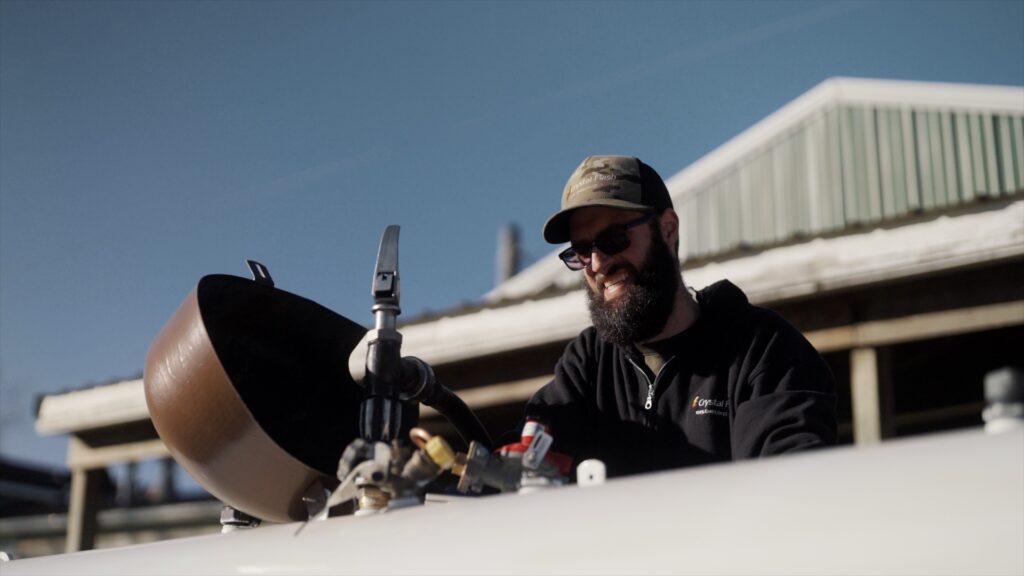
Crystal Flash is a Michigan-based, 100% employee-owned fuel company serving homeowners who rely on propane for residential heating. We work with rural and off-grid households that need dependable fuel delivery and clear communication throughout the year.If you live in Michigan and are considering alternatives to natural gas, contact us to talk through your options and see whether propane is a good fit for your home.

Refer a Friend
Know someone in need of affordable propane and reliable delivery? Send them our way, and when they sign up with Crystal Flash, you'll get a reward!
Get Started Today
Propane delivery to your home from Michigan's go-to provider.
Our new customer bundle combines our no-hassle Auto-Fill Delivery program with a FREE Crystal Flash Tank Monitoring System.
Related Articles
How Michigan Farms Use Propane and Diesel Throughout the Year
Learn how Michigan farmers use diesel and propane throughout the year to support their operations and keep agriculture running in the Wolverine State.
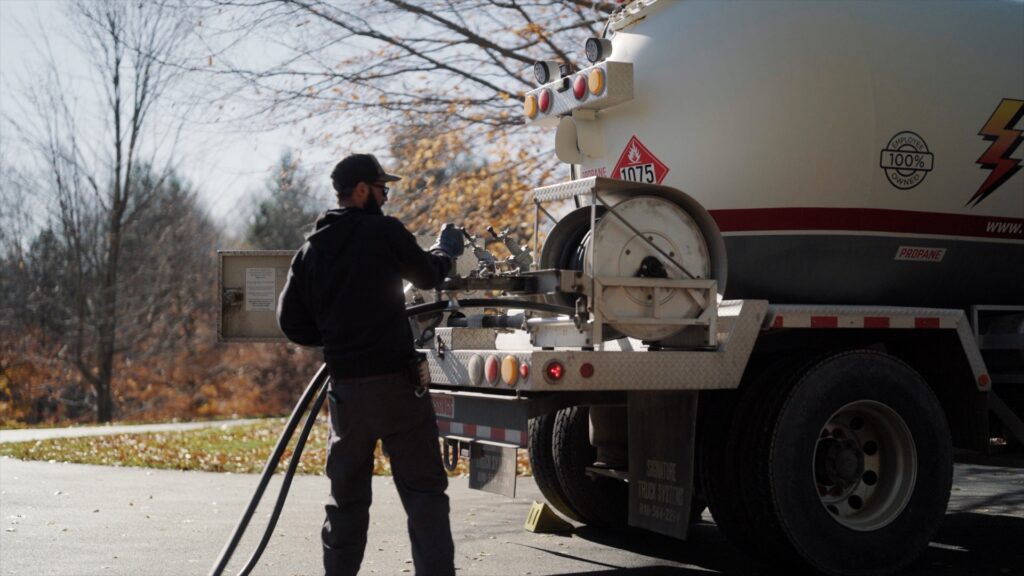
How Much Does It Cost to Refill a Propane Tank?
Learn what affects propane tank refill cost, how much propane costs per gallon, and what Michigan homeowners can expect when refilling a home propane tank.
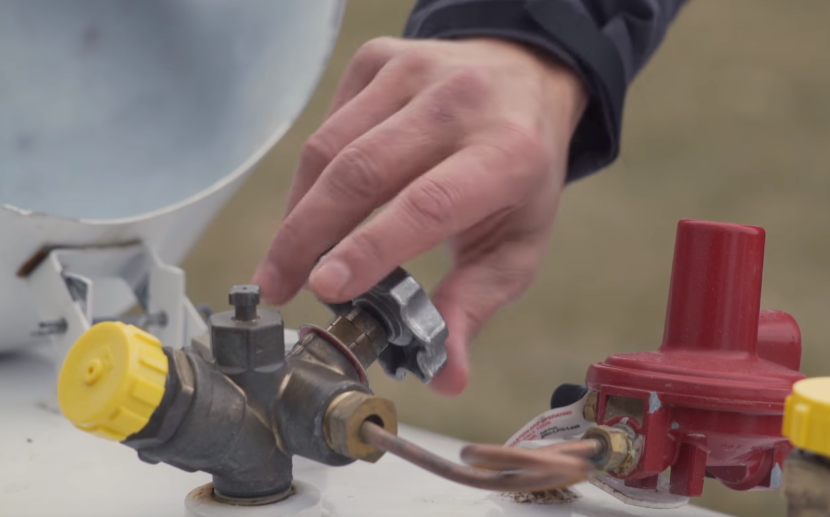
Know Your Propane Tank: Parts, Gauges, and What the Numbers Mean
Learn the parts of a propane tank, how to read the gauge, and what percentage readings mean in gallons, with a simple reference chart for homeowners.
Subscribe To Our Newsletter
We’ll send you occasional updates about our business and industry. You’ll hear from us about once a month.