
Propane vs. Oil Heat: Comparing Home Heating Options
If you are deciding between propane or heating oil for your home, you are not alone. Many Michigan homeowners find it difficult to get a clear answer when comparing propane heat vs oil heat, and that confusion usually comes from how many factors affect home heating costs.
The actual price of fuel is only one piece of the puzzle. Equipment efficiency, fuel characteristics, and long-term operating costs all play a role in deciding whether propane or oil heat is the better fit for your home.
This guide walks through propane vs oil heating cost step by step so you can make a more informed decision.
The Main Home Heating Fuel Options
There are six primary fuel types used to heat homes:
- Propane
- Heating oil
- Electricity
- Wood
- Natural gas
- Coal
Once you narrow the list to propane or oil heat, the comparison becomes more focused and practical. Both fuels are widely used, reliable, and capable of heating homes throughout Michigan winters.
Heating Oil
Heating oil is a refined petroleum product, but it is not the same fuel used in automobiles. Just as gasoline and diesel serve different purposes, residential heating oil is formulated specifically for furnaces.
Gasoline is highly volatile and unsafe to store near homes, which is why it is not used for residential heating. Diesel fuel is more stable and fuel-efficient, making it common for generators. Heating oil is designed to run furnaces efficiently and safely, which is why it is used instead of gasoline.
Propane
Propane is stored as a liquid under pressure and becomes a gas when released for use. Before ignition, propane exists either as a liquid or vapor. While gases are invisible, some can be ignited and used for heating, including propane.
Homeowners can choose propane or natural gas for heating systems, unless they live in rural areas where natural gas service is not available.
Propane vs. Natural Gas
Propane and natural gas are often confused, but they are not the same fuel.
Natural gas is a processed combination of gases, primarily methane, formed from decomposing plant material. Other gases in natural gas include butane, ethane, pentane, and propane. These gases must be refined into consistent proportions before being used safely in home heating systems.
Propane itself is extracted during natural gas processing or crude oil refining, then stored and delivered as a standalone fuel.
Propane as a Heat Source
Propane produces more heat per unit than natural gas, which means less fuel is needed to generate the same amount of heat. For that reason, propane typically costs more per cubic foot than natural gas, even though overall heating performance can be comparable.
This distinction often comes up when homeowners compare propane vs oil heat or propane vs oil heating cost.
Comparing Heating Fuels by Energy Output
Heating oil is the most efficient liquid fuel available for home heating. Propane is more efficient than natural gas. While that makes comparisons tempting, liquid fuels and gases are measured differently.
Units of Measurement
- Heating oil is measured in gallons
- Propane gas is measured in cubic feet
One gallon equals 3.79 liters.
One cubic meter equals 35.3 cubic feet.
Because gases expand and compress based on temperature and pressure, direct conversions are complex. The industry uses standardized assumptions for propane conversions:
- One gallon of propane equals 35.97 cubic feet
- One cubic foot of propane equals 0.0278 gallons
Thermal Properties (BTUs)
Energy output is measured using British Thermal Units (BTUs).
- Propane produces 2,546 BTUs per cubic foot
- Heating oil produces 140,000 BTUs per gallon
Converted to gallons, propane produces:
- 91,600 BTUs per gallon
Even before efficiency is considered, heating oil produces more heat per gallon than propane.
Fuel Efficiency of Furnaces
Fuel efficiency depends on the heating system itself.
- Propane furnaces typically operate at 89–98 percent efficiency
- Heating oil furnaces typically operate at 80–90 percent efficiency
When efficiency is factored in:
- Propane: 91,600 × 98% = 89,768 BTUs per gallon
- Heating oil: 140,000 × 90% = 126,000 BTUs per gallon
Even with higher efficiency, heating oil still produces more heat per gallon than propane.
Is Propane Cheaper Than Oil?
Neither option is consistently cheaper. The real cost depends on how much heat your home needs, how efficient your equipment is, and what you currently spend to keep your system running.
Comparisons become more complex once you look beyond fuel volume alone. Propane and heating oil systems differ in equipment costs, efficiency, and how fuel is priced and delivered.
Prices for both fuels fluctuate based on:
- Seasonal demand
- Market conditions
- Refinery maintenance
- Transportation costs
- Geographic location
Because of these variables, propane vs oil heating cost can vary from one home to the next and from one year to the next. That is why accurate comparisons require local pricing and a closer look at how your home uses heat.
Establishing a Cost Baseline
If you already have a furnace, start by evaluating whether replacement makes sense. Older systems lose efficiency over time and cost more to maintain.
To establish a baseline:
- Add all maintenance and fuel costs from the past three years
- Divide the total by three to get an annual average
Do not compare an old oil furnace to a new propane furnace directly. Compare current costs first, then compare the cost of replacing each system.
Calculating Heating Requirements
To size a furnace correctly:
- Measure all heated rooms
- Add total square footage
- Multiply square footage by BTU needs
In Michigan:
- Older homes need about 60 BTUs per square foot
- Newer homes need about 50 BTUs per square foot
Capital Cost Considerations
When comparing propane or oil heat, review:
- BTU per hour input
- AFUE efficiency rating
- Tank purchase or lease cost
- Equipment lifespan
- Unit price
- Financing costs
Only compare furnaces that meet your calculated BTU needs.
Estimating Annual Fuel Use
Assume heating runs for six months in Michigan.
Steps:
- Divide BTU per hour by efficiency
- Multiply by 24 hours, then by 180 days
- Divide propane total by 91,600
- Divide oil total by 140,000
This gives annual fuel use in gallons.
Finalizing the Comparison
To complete your propane vs oil heat comparison:
- Multiply annual fuel use by current fuel prices
- Add equipment and installation costs
- Factor in maintenance expenses
This provides a clearer picture of long-term costs for propane vs oil heating in your home.
Getting Help with Propane or Heating Oil in Michigan
Every home is different. The most accurate way to compare propane or heating oil is to use local pricing and real-world data.
Crystal Flash works with Michigan homeowners to provide clear pricing and guidance for both propane and heating oil. If you would like help estimating costs for your home, our team is available to answer questions or provide pricing information through our contact form.

Refer a Friend
Know someone in need of affordable propane and reliable delivery? Send them our way, and when they sign up with Crystal Flash, you'll get a reward!
Get Started Today
Propane delivery to your home from Michigan's go-to provider.
Our new customer bundle combines our no-hassle Auto-Fill Delivery program with a FREE Crystal Flash Tank Monitoring System.
Related Articles

How Michigan Farms Use Propane and Diesel Throughout the Year
Learn how Michigan farmers use diesel and propane throughout the year to support their operations and keep agriculture running in the Wolverine State.
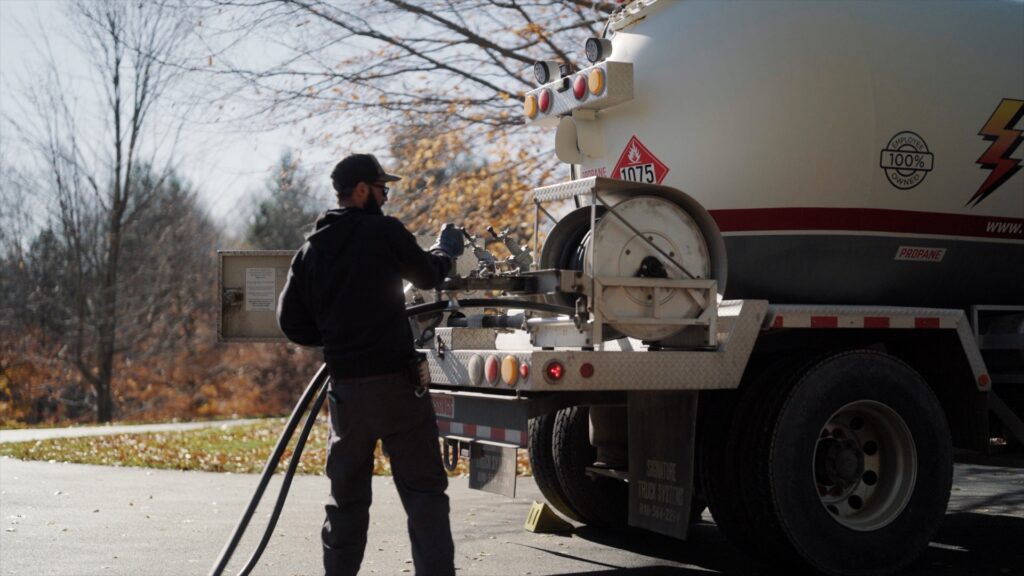
How Much Does It Cost to Refill a Propane Tank?
Learn what affects propane tank refill cost, how much propane costs per gallon, and what Michigan homeowners can expect when refilling a home propane tank.
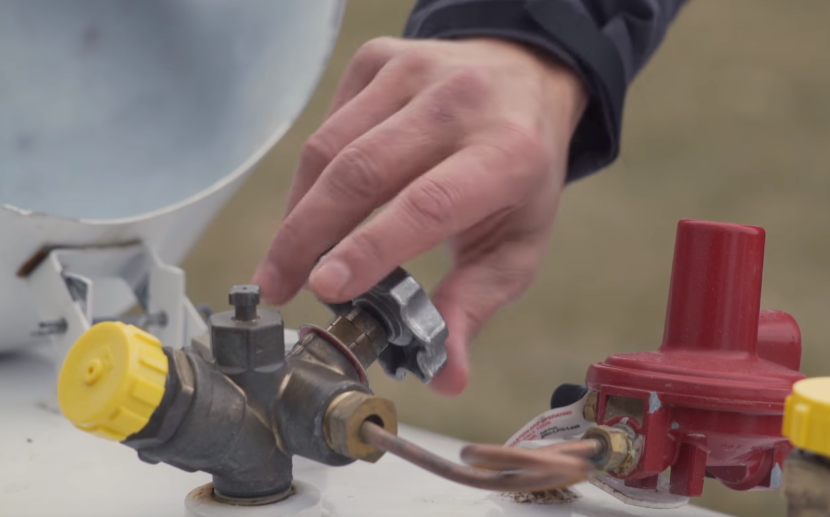
Know Your Propane Tank: Parts, Gauges, and What the Numbers Mean
Learn the parts of a propane tank, how to read the gauge, and what percentage readings mean in gallons, with a simple reference chart for homeowners.
Subscribe To Our Newsletter
We’ll send you occasional updates about our business and industry. You’ll hear from us about once a month.